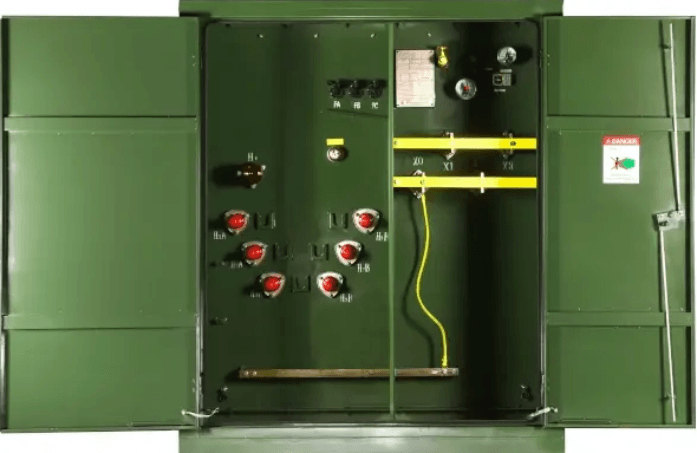

Modern power systems are under increasing pressure due to rising electricity demand, urban expansion, and the integration of renewable energy sources. Utilities and infrastructure planners must ensure that electricity is delivered safely, consistently, and efficiently. One key component that supports this goal is the 3 phase pad mount transformer, a ground-mounted electrical transformer widely used in residential, commercial, and industrial distribution networks.
Unlike pole-mounted or indoor transformers, pad mount transformers are installed at ground level in locked, tamper-resistant enclosures. Their design, safety features, and operational efficiency make them an important contributor to grid stability. This article explains how these transformers work and why they play a critical role in maintaining reliable power systems.
Understanding a 3 Phase Pad Mount Transformer
A pad mount transformer is a type of distribution transformer installed on a concrete pad at ground level. It is typically used in underground electrical distribution systems where aesthetics, safety, and reliability are important.
What Does “3 Phase” Mean?
A 3 phase system delivers power using three alternating currents that are offset in time. This results in:
- More efficient power transmission
- Reduced power losses
- Stable voltage delivery
- Better performance for heavy electrical loads
3 phase systems are commonly used in commercial buildings, industrial facilities, and large residential developments.
Key Structure of a Pad Mount Transformer
A typical 3 phase pad mount transformer includes:
- A sealed steel tank housing the transformer core and windings
- High-voltage and low-voltage compartments
- Underground cable connection points
- Protective insulation and cooling systems
Why Grid Stability Is Important
Grid stability refers to the ability of the electrical system to maintain consistent voltage, frequency, and power quality under varying load conditions.
Challenges in Modern Power Grids
Power grids today face several challenges:
- Rapid fluctuations in electricity demand
- Integration of solar and wind energy
- Urban population growth
- Aging infrastructure
- Voltage instability in distribution networks
Without proper control, these issues can lead to power outages, equipment damage, and inefficient energy distribution.
How a 3 Phase Pad Mount Transformer Enhances Grid Stability
Pad mount transformers play a vital role in stabilizing local and regional power distribution networks.
Voltage Regulation and Consistency
One of the most important functions of a transformer is voltage regulation.
A 3 phase pad mount transformer helps by:
- Stepping down high distribution voltage to usable levels
- Maintaining consistent output voltage despite load changes
- Reducing voltage drops in long distribution lines
This ensures that end users receive stable and reliable electricity.
Load Balancing Across Phases
In a 3 phase system, electrical load is distributed across three separate phases.
Pad mount transformers help by:
- Evenly distributing electrical load
- Preventing overload on a single phase
- Reducing stress on distribution equipment
Balanced load distribution improves overall grid efficiency and reduces the risk of system failure.
Reducing Transmission Losses
Electrical energy is lost as heat when transmitted over long distances. Pad mount transformers reduce these losses by:
- Allowing high-voltage transmission closer to the load center
- Minimizing long-distance low-voltage distribution
- Improving overall energy efficiency
This results in lower operational costs and improved grid performance.
Supporting Underground Distribution Systems
One of the key advantages of pad mount transformers is their compatibility with underground power networks.
Benefits of Underground Systems
Underground distribution systems supported by pad mount transformers offer:
- Protection from weather-related damage
- Reduced risk of outages caused by storms or external interference
- Improved urban aesthetics without overhead lines
Contribution to Stability
By being part of underground networks, pad mount transformers:
- Reduce exposure to environmental disruptions
- Improve reliability in densely populated areas
- Support continuous power delivery during extreme weather
Enhanced Safety Features That Support Grid Reliability
Safety is closely linked to grid stability. A safer system is less prone to faults and interruptions.
Tamper-Resistant Design
Pad mount transformers are enclosed in locked steel cabinets that:
- Prevent unauthorized access
- Reduce risk of accidental contact
- Protect internal components from vandalism
Ground-Level Installation Safety
Unlike overhead transformers, pad mount units:
- Reduce risk of electrical accidents from falling lines
- Are easier to isolate during maintenance
- Improve safety for urban environments
Improved Fault Isolation and System Recovery
Grid stability depends on how quickly faults can be detected and isolated.
Faster Fault Management
Pad mount transformers help utilities:
- Isolate affected sections quickly
- Minimize the spread of electrical faults
- Restore power faster after disruptions
Reduced System Downtime
Because each unit serves a localized area:
- Faults affect smaller sections of the grid
- Repair times are shorter
- Overall system reliability improves
Supporting Growing Energy Demand
As cities expand, electricity demand increases. Pad mount transformers are well-suited to support this growth.
Scalable Infrastructure
Utilities can:
- Add additional transformers as demand increases
- Expand distribution networks efficiently
- Upgrade capacity without major redesigns
Efficient Urban Integration
Their compact, ground-mounted design allows:
- Installation in residential neighborhoods
- Integration into commercial developments
- Minimal visual impact on city landscapes
Integration with Renewable Energy Systems
Modern grids are increasingly incorporating renewable energy sources like solar and wind.
Managing Variable Power Input
Renewable energy can be inconsistent. Pad mount transformers help stabilize this by:
- Regulating fluctuating input voltage
- Supporting distributed energy systems
- Ensuring smooth integration into the grid
Supporting Microgrids
They are often used in:
- Community solar systems
- Industrial renewable installations
- Hybrid energy networks
This improves overall grid resilience and flexibility.
Thermal Efficiency and Long-Term Stability
Heat management is essential for transformer performance and grid stability.
Efficient Cooling Systems
Pad mount transformers typically use:
- Oil-immersed cooling systems
- Heat-dissipating enclosures
- Natural convection methods
Benefits of Thermal Stability
Proper heat control ensures:
- Longer equipment lifespan
- Reduced risk of failure
- Consistent electrical performance
Maintenance Advantages That Improve Reliability
Regular maintenance is easier and safer with pad mount transformers.
Ground-Level Accessibility
Technicians benefit from:
- Easier inspection access
- Faster servicing times
- Safer maintenance conditions
Reduced Maintenance Frequency
Because of their durable design:
- Fewer breakdowns occur
- Maintenance intervals are longer
- Operational costs are reduced
Key Advantages for Utility Providers
Utility companies prefer pad mount transformers because they improve overall system management.
Operational Efficiency
They offer:
- Reliable voltage distribution
- Lower energy losses
- Better load management
Improved Customer Experience
End users benefit from:
- Fewer outages
- Stable voltage supply
- Better power quality
See also: The Future of Gaming Experiences
Final Thoughts
A 3 phase pad mount transformer is a critical component in modern electrical distribution systems, especially in urban and industrial environments. Its ability to regulate voltage, balance loads, support underground networks, and improve safety makes it essential for maintaining grid stability.
As power demand continues to rise and renewable energy becomes more widespread, these transformers will play an even greater role in ensuring reliable, efficient, and resilient electricity distribution. Their combination of durability, safety, and performance makes them a key asset in building the future of stable power infrastructure.

 By
By